Synthetic Putting Green Design in Flower Mound, undefined

Stimpmeter-Calibrated Home Greens for Flower Mound, Southlake, and Argyle Golfers

Synthetic Putting Green Design

Putting Greens Designed by Someone Who Has Maintained Them Professionally

Artificial Grass of Flower Mound's principal trained in grounds management at country-club facilities in the Carolinas — properties where the putting green conditions are a matter of institutional pride and regular scrutiny by members who know exactly what a well-maintained green should feel like. That background is the foundation of our putting green practice, and it produces results that serious golfers can distinguish from the decorative approximations that most residential synthetic turf contractors install. The distinction between a putting green that looks like a green and one that actually plays like one comes down to specifications that are invisible once the surface is installed: the face weight and nap angle of the putting turf, the stimpmeter calibration of the infill system, the precision of the contouring, and the relationship between the putting surface and the surround turf that frames it. We make those specifications correctly because we understand what they affect — not because we have memorized a product brochure. A homeowner in Southlake's Timarron community — a former collegiate golfer who plays Preston Trail regularly — commissioned us to design and install a practice complex in the rear yard of his estate home. The space was generous: approximately 2,400 square feet, with a primary green, a chipping approach, a fringe collar, and a sand bunker. We designed the green with three distinct elevation breaks, calibrated the surface to 10.5 on the stimpmeter at the installed infill density, and specified the surround turf in a heavier, coarser product that plays as a distinct rough zone when the chipping approach overshoots the fringe. The homeowner's assessment after the first month of use was that it played more consistently than two of the three practice greens at his home course.

  • Stimpmeter-calibrated surface specification by intended performance level
  • Professional contouring with designed elevation breaks
  • Separate surround and fringe turf specifications
  • Optional sand bunker and chipping approach integration
  • ARB submission documentation for HOA-governed properties
  • Maintenance program for ongoing performance calibration

What a Properly Designed Home Putting Green Provides

The case for a home putting green is straightforward for golfers who understand practice economics: the skills developed closest to the hole — putting and chipping — are the ones that most directly affect scoring, and they are the ones that can be practiced most efficiently in the fifteen to thirty minutes before dinner or after a morning workout. A properly designed home green makes those practice sessions productive. A decorative approximation does not.

Stimpmeter Performance That Matches Your Home Course

A putting green surface is defined by its stimpmeter reading — the number that quantifies how far a ball rolls from a standardized release on the surface. Most country clubs maintain their greens between 9.5 and 11.5 on the stimpmeter during the playing season. We calibrate our residential putting surfaces to match the stimpmeter range the homeowner specifies, which means that putts read and behave on the home green the same way they do on the course. That consistency is what makes home practice transfer to course performance.

Designed Contouring That Creates Genuine Challenge

A flat putting surface is technically a putting green but it is not a practice tool that develops the skill of reading break. We design elevation change into every putting green we install — typically two to four distinct break zones on a residential surface — so that the homeowner is practicing the actual skill of reading and playing break from day one. The contouring is designed relative to the homeowner's skill level: subtle and consistent for newer golfers, more complex and multiple for experienced players who want to challenge themselves.

Fringe and Surround Turf That Creates a Distinct Short-Game Context

The fringe and surround zones surrounding a putting green are not decorative borders — they are the surfaces from which chip shots and pitches are played. A surround turf that does not provide a distinct lie and contact experience compared to the putting surface does not create the shot-making challenge that makes chipping practice productive. We specify the surround and fringe in products with different blade heights, densities, and performance characteristics than the putting surface, producing a short-game complex that feels like the transitions on an actual golf course.

Property Value That Attracts Golf-Engaged Buyers

In communities like Southlake, Flower Mound, and Argyle — where golf engagement is a meaningful part of the lifestyle — a well-designed home putting complex is a genuine property differentiator. It is a feature that the listing highlights specifically, that buyers who play golf understand the value of, and that does not degrade visually the way an aging pool or a dated kitchen might. A properly installed putting complex looks as good in year twelve as it did in year two.

Year-Round Practice Without Weather Dependency

North Texas winters are variable — cold enough to make natural grass dormant, but not reliably cold enough to close courses. A synthetic putting surface remains playable year-round, which means the practice routine that develops during the spring and fall seasons does not have a seasonal interruption. For golfers who compete — in club tournaments, in regional amateur events, or simply against friends — that continuity matters.

Designing and Installing Your Putting Complex

A putting green design engagement begins differently from a standard lawn installation consultation. We want to understand how you play golf — your handicap, your home course, the specific aspects of your game you want to develop, and any particular features (number of holes, flag positions, bunker integration) you have in mind — before we discuss the space.

1

Golf Profile Consultation

Before we visit the property, we have a conversation about how you play golf. What is your current handicap? What is the stimpmeter range at your home course? Are you primarily a putting practitioner, or do you want a full short-game complex with chipping and bunker work? Do you host golf-engaged friends who will use the green? The answers to these questions shape every design decision that follows.

2

Site Assessment and Design Conversation

On the property visit, we assess the available space, the grade conditions, the relationship to the surrounding landscape and hardscape, and the sight lines from the primary indoor viewing positions. We also discuss the design with you in the space — walking the area, marking proposed hole positions, discussing where the slope should break and in which direction. This conversation is the foundation of the design document that follows.

3

Design Document Preparation

We prepare a written design document that specifies the green dimensions and shape, the number of holes and their positions, the elevation break profile (how much break, in which directions, and over what distances), the surround and fringe specifications, any bunker or approach zone details, and the drainage infrastructure. This document is reviewed with the homeowner before any material is ordered.

4

HOA and ARB Coordination

For properties in HOA-governed communities — including Timarron, Bridlewood, Robson Ranch, and similar communities across our service area — we prepare the ARB submission package and manage the approval process. Putting green submissions typically require color samples of both the putting surface and the surround turf, a site plan showing the installation location relative to the property boundaries, and a written description of drainage management. We prepare all of this as a standard part of the engagement.

5

Base Construction and Contouring

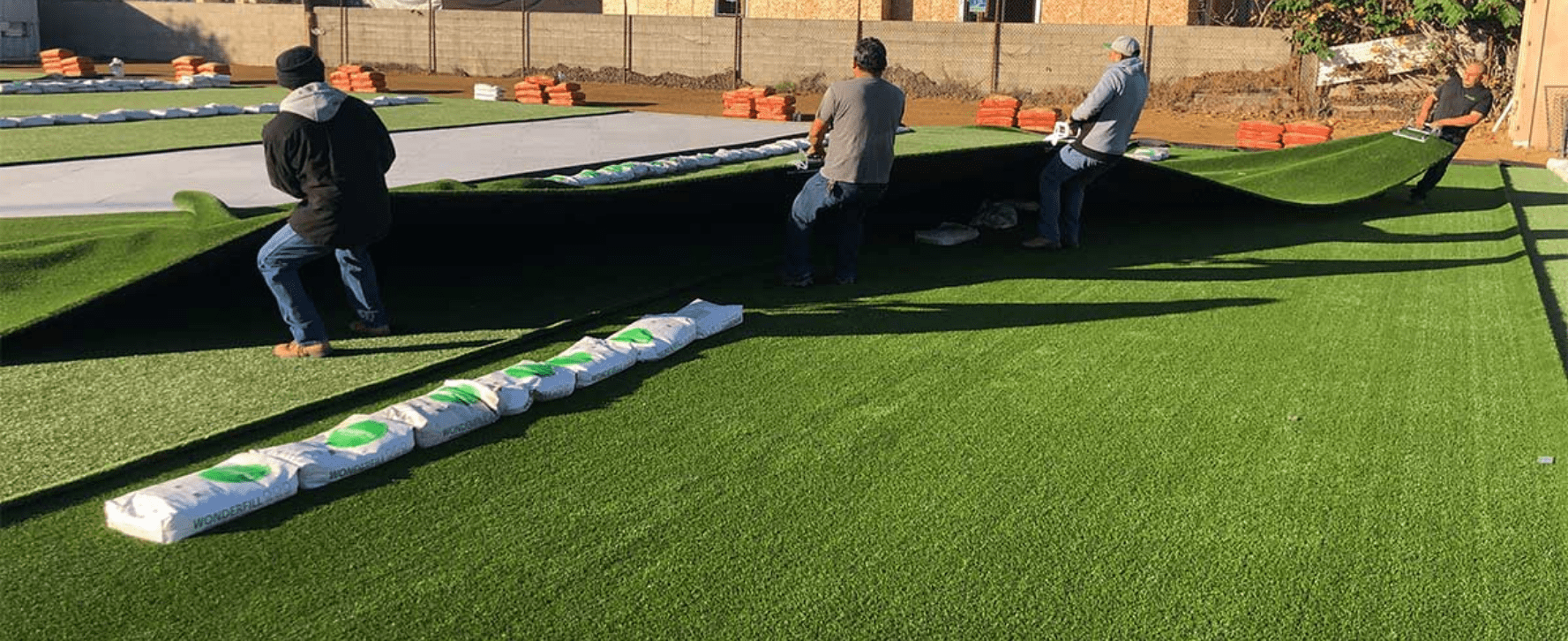
The contouring phase is where the design becomes physical. We build the elevation breaks by shaping the compacted aggregate base rather than the turf itself — the turf follows the base contour, so the base must be precise. Our team has the experience to execute designed elevation changes to the inch, which is necessary for a putting surface that plays the way it was designed to play.

6

Surface Installation and Stimpmeter Calibration

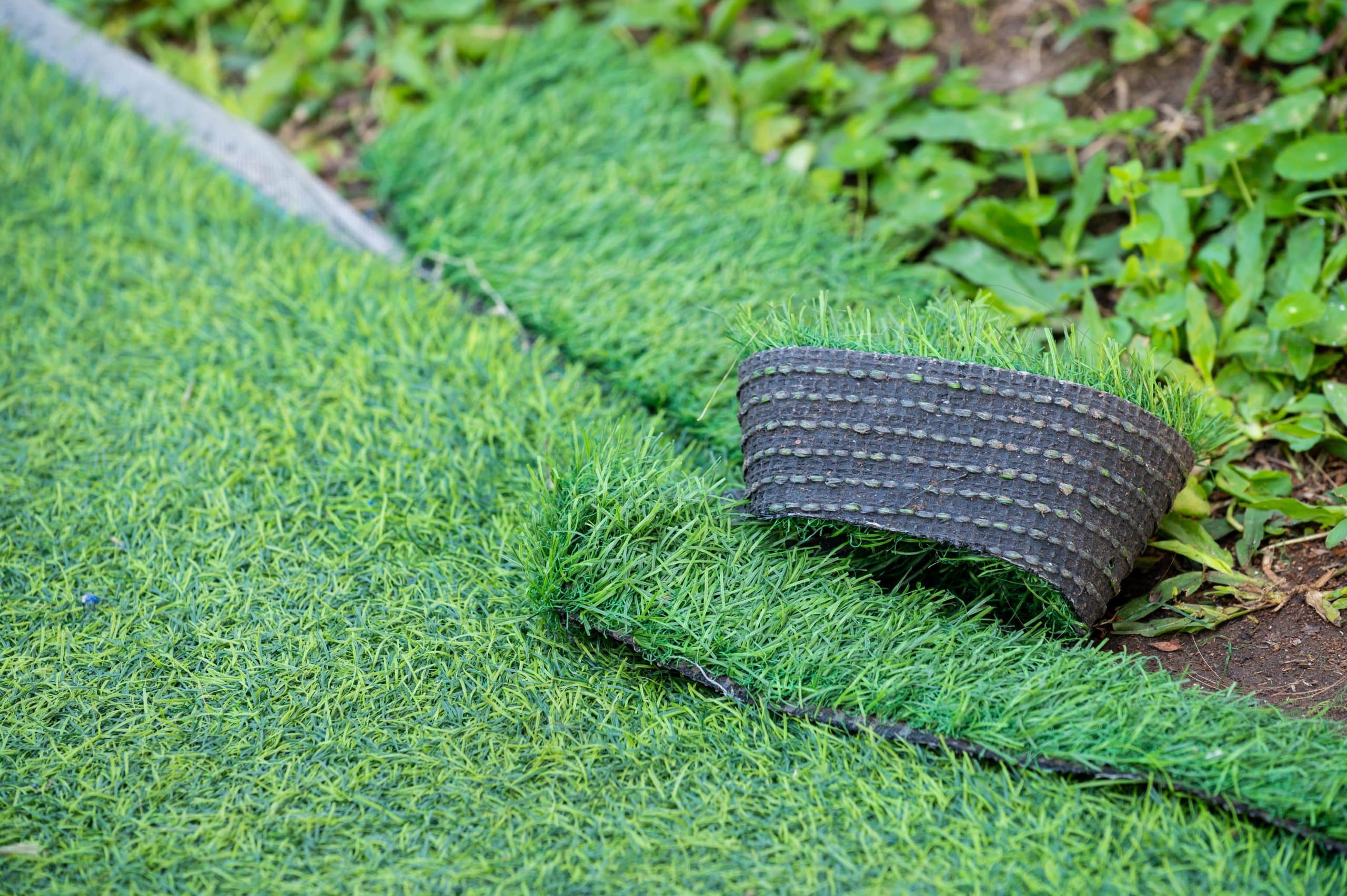
The putting turf is installed with attention to nap direction (the direction the fiber leans, which affects ball roll direction in a predictable way), seam placement (seams in a putting surface that the ball rolls over introduce inconsistency), and infill density (which, alongside the nap angle, determines the stimpmeter reading). We test the surface with a stimpmeter before completing the installation and adjust the infill density to achieve the specified reading.

7

Orientation and Practice Session

We complete the installation with an orientation that covers the surface characteristics, the maintenance requirements, and a brief practice session designed to help the homeowner understand how the breaks we designed play. This is one of the aspects of our putting green work that homeowners most consistently mention — the initial orientation is designed to accelerate the learning curve of the new surface rather than leaving the homeowner to figure it out independently.

Putting Green Configurations We Design

Our putting complex designs range from compact practice-focused single-green installations to multi-green short-game complexes on estate acreage. The configuration is driven by the homeowner's practice goals and the available space.

Focused Practice Green

A single putting surface, typically 400 to 800 square feet, with two or three designed elevation breaks and two to four hole positions. Fringe collar with a distinct surround specification. Designed for homeowners who want a dedicated putting practice tool that is compact enough to fit in a managed residential estate landscape without dominating it. This configuration satisfies most Timarron and Heritage Lakes ARB applications.

Best For: Homeowners with focused putting practice goals; HOA-governed properties with moderate available space; handicaps of 15 and above who want to develop putting fundamentals

Short-Game Complex

A primary putting surface combined with a defined chipping and pitching approach zone, fringe collar, and optional sand bunker. Typically 1,200 to 2,400 square feet total. The chipping approach is specified in a product and infill density that creates a distinct rough-to-green transition — the chip shot must be executed correctly to hold the green rather than running through it. For homeowners who want to practice the full range of short-game skills.

Best For: Serious golfers with performance goals; properties with adequate space; homeowners whose scoring variability is primarily in the 30-50-yard range

Multi-Green Practice Complex

Two or more putting surfaces, typically with different stimpmeter calibrations, connected by fairway approach zones. This configuration is appropriate for estate acreage properties — primarily in Copper Canyon, Argyle, and the larger Flower Mound parcels — where the available space allows for a practice facility that replicates the variety of a golf course's short-game environment. We have designed three-green complexes on Denton County acreage properties that include a tour-caliber primary green, a higher-stimpmeter secondary green for speed work, and a lower-maintained surround green for chipping.

Best For: Large acreage properties; homeowners with low handicaps or competitive playing goals; properties where the outdoor program has space to support a dedicated practice facility

Terrace-Integrated Putting Surface

For estate homes where the primary outdoor entertaining terrace is adjacent to the proposed green location, we design installations where the putting surface is integrated into the terrace landscape composition rather than occupying a separate programmatic zone. The green is visible from the entertaining area, contributes to the visual composition of the outdoor room, and functions as both a practice tool and a landscape feature. These integrations require careful attention to color register and proportion.

Best For: Estate properties where the outdoor entertaining program and the golf practice program share a spatial zone; properties where the green will be seen regularly by guests

Chip and Pitch Practice Area

For homeowners who already have a putting surface and want to add a dedicated chipping and pitching approach, we install a separate approach zone with a target green section. The approach zone is specified in a product whose playing characteristics replicate the rough-to-green transition a golfer encounters on the course. The target section is specified at a stimpmeter and firmness that rewards well-struck shots and does not forgive poorly hit ones.

Best For: Existing putting green owners; homeowners whose principal practice need is approach shot development; addition to an existing outdoor practice complex

Putting Green Questions from Serious Golfers

What stimpmeter reading should I specify for my green?

We recommend matching the stimpmeter range of your home course during its playing season, which in the Dallas-Fort Worth area typically runs between 9.5 and 11 for courses in good maintenance condition. A green that plays at 8 will feel slow by comparison and will not develop your feel for your home course conditions. A green specified at 12 or above requires more careful maintenance to sustain the infill density, and putts on very fast surfaces are less forgiving of the minor imperfections that home installations will have compared to a professionally manicured course green. We discuss this with every client and recommend a range based on their playing context.

Our Timarron ARB is particular about what goes in the backyard. Have you navigated that process?

Yes. We have submitted multiple putting green applications to the Timarron ARB and are familiar with the board's requirements for this type of project. The submission typically requires color samples of both the putting surface and the surround turf, a site plan showing the installation location relative to property boundaries and setbacks, a written description of drainage management, and a maintenance protocol. We prepare all of that and manage the process. Our Timarron submissions have not required revision.

How do you achieve elevation breaks that actually play correctly?

The breaks are designed into the compacted aggregate base rather than the turf — the turf follows the base contour rather than being stretched or folded to create the impression of elevation change. We shape the base to the designed profile before the turf is installed, which means the finished surface is a smooth contour that reads and plays naturally rather than a surface that has visible ridges or abrupt transitions. The precision of this work requires experience with both golf green geometry and synthetic turf installation, which is why most residential turf contractors do not execute contouring well.

How do you maintain stimpmeter consistency over time?

Infill density is the primary variable that affects stimpmeter reading on a synthetic surface. As infill settles and compacts over time, the stimpmeter reading tends to decrease — the surface becomes faster. Our annual maintenance service includes a stimpmeter test and an infill density assessment; if the reading has shifted from the specified target, we adjust infill levels to bring the surface back into calibration. For homeowners who use their green frequently and track their putting performance, maintaining stimpmeter consistency is meaningful and we treat it as such.

Is a sand bunker realistic in a residential installation?

A residential sand bunker is a genuine design and installation challenge that most synthetic turf contractors do not execute correctly. The approach we use is a compacted shaped form with a synthetic bunker liner and real sand at a depth that creates authentic feel without the maintenance demands of a natural sand trap. The bunker face is shaped from aggregate, lined with a synthetic underlayment, and finished with a consistent sand depth that the homeowner can rake and maintain. It is a real bunker from a shot-making standpoint, not a cosmetic approximation. We discuss the maintenance implications at the design stage so homeowners have accurate expectations.

Design a Practice Facility That Reflects Your Game

Artificial Grass of Flower Mound designs and installs home putting greens across Flower Mound, Southlake, Argyle, Copper Canyon, and the surrounding Cross Timbers estate corridor. Every green begins with a conversation about how you play, not about square footage.

Serving Nearby Cities

Flower MoundLewisvilleCoppellGrapevineKellerSouthlakeRoanokeArgyle