Artificial Grass For Pets in Flower Mound, undefined

Zeolite-Infill Installations and Drainage Engineering for Homes with Dogs

Artificial Grass For Pets

Dogs Are Not an Afterthought in Our Pet Installations

Artificial Grass of Flower Mound's pet-specific installation practice is anchored in one observation: most synthetic turf contractors treat pet applications as a modest upgrade to a residential installation — an antimicrobial infill selection and a note to the homeowner about hosing it down periodically. That approach produces pet installations that perform adequately for the first year and then accumulate odor and drainage issues that the homeowner was not prepared for. Our approach begins with the recognition that a dog exercising on a contained synthetic turf surface produces a concentrated waste-loading pattern that requires specific drainage infrastructure, specific infill selection, and specific maintenance protocols — not merely an antimicrobial product marketed for pet use. We have completed pet-specific installations on properties from a Robson Ranch courtyard with a single Labrador to a Copper Canyon acreage property with three dogs and a dog run that functions as a full-time outdoor room. The specifications differ significantly between those contexts, and we treat them differently.

  • Zeolite infill for ammonia capture and odor management
  • Drainage infrastructure sized for concentrated pet waste volume
  • SYNLawn HD antimicrobial product line for residential applications
  • Perforated collection channels for run-specific drainage
  • Base preparation appropriate for clay-profile Denton County soils
  • Quarterly maintenance program with deep extraction cleaning

What Distinguishes a Pet Installation Done Correctly

The performance characteristics that matter in a pet installation — drainage rate, odor management, surface hygiene, and long-term durability — are determined primarily by the choices made during base preparation and infill specification. These are not decisions that can be made correctly from a phone call; they require a site visit to understand the soil conditions, the containment geometry, and the dog-use patterns that will affect how the installation performs over time.

Drainage Engineering for Concentrated Pet Use

A dog exercising on a contained surface deposits urine in a pattern that is concentrated in a relatively small area — typically the perimeter of the run or the areas near the entry gate. Standard residential turf drainage, which is designed for precipitation rather than concentrated liquid loading, may not perform adequately in those zones. We map the expected use pattern during the site visit and install drainage infrastructure — perforated collection channels, additional subsurface aggregate depth in high-use zones — that is sized for the actual waste volume the surface will receive.

Zeolite Infill for Ammonia Management

Zeolite is a naturally occurring mineral with a crystalline structure that captures and holds ammonia molecules — the primary odor source in dog urine — until the surface is rinsed or receives rain. Unlike antimicrobial treatments that slow bacterial growth on the surface, Zeolite addresses the odor problem at the molecular level by binding the ammonia before it volatilizes. On Denton County clay-profile properties where drainage rates are lower than sandy-loam substrates, Zeolite infill provides meaningful odor management between professional cleaning visits.

Correct Base Depth for Clay-Profile Draining

Denton County's clay soils drain at a fraction of the rate of the sandy soils common in other parts of the Dallas-Fort Worth area. A pet installation over clay soil that uses the same aggregate depth as a sandy-soil installation will saturate after moderate pet use and remain damp longer than the homeowner expects. We specify aggregate depth relative to the actual subsoil drainage rate, which on clay-profile Flower Mound and Argyle properties typically means deeper aggregate sections and perforated collection infrastructure that the standard suburban pet installation omits.

Perimeter Security for Persistent Diggers

Dogs that are motivated to dig will test every edge of a synthetic turf installation. The solution is not simply to secure the perimeter edge more aggressively — it is to understand why the dog is digging (smell in the soil, behavior pattern, specific location) and to address both the behavioral trigger and the physical barrier. Our perimeter installation for pet-specific applications uses a combination of bender board staking, concrete perimeter anchoring where the edge is against an organic soil margin, and where appropriate, a six-inch subsurface barrier that extends below the installation's aggregate base.

Surface Hygiene for Indoor-Outdoor Households

A synthetic turf pet area that is used heavily will carry surface bacteria at levels that require periodic professional deep cleaning — not as a failure mode but as a normal maintenance requirement. We discuss this at the initial consultation so homeowners understand what to expect and plan for it in their maintenance budget. Properties where the dog has direct access from the turf to the interior of the home — through a dog door or a frequently opened back door — benefit from more frequent deep cleaning and quarterly Zeolite replenishment to maintain the surface at an acceptable hygiene level.

How We Install Pet-Specific Turf

Our pet installation process begins with a consultation that includes questions that a standard residential installation consultation does not: how many dogs, what breeds, how the dogs currently use the yard, whether there is a specific odor or drainage problem motivating the project, and what the homeowner's maintenance expectations are. The answers to those questions affect every specification decision that follows.

1

Pet-Use Pattern Assessment

During the site consultation, we spend specific time understanding how the dogs use the existing yard — where they relieve themselves, where they run, where they rest, whether they dig at the perimeter, and whether there are areas of the yard that see disproportionate traffic. This use pattern mapping informs the drainage infrastructure placement, the infill specification, and the perimeter treatment approach.

2

Subsoil and Containment Geometry Assessment

We probe the subsoil to assess drainage rate and profile the containment geometry — the existing fencing, hardscape, and grade that define the pet area. On clay-profile properties in Denton County, we also assess the seasonal drainage performance: how long standing moisture typically persists after a rain event, and whether there are zones where the grade directs moisture toward the pet area rather than away from it.

3

Drainage Infrastructure Installation

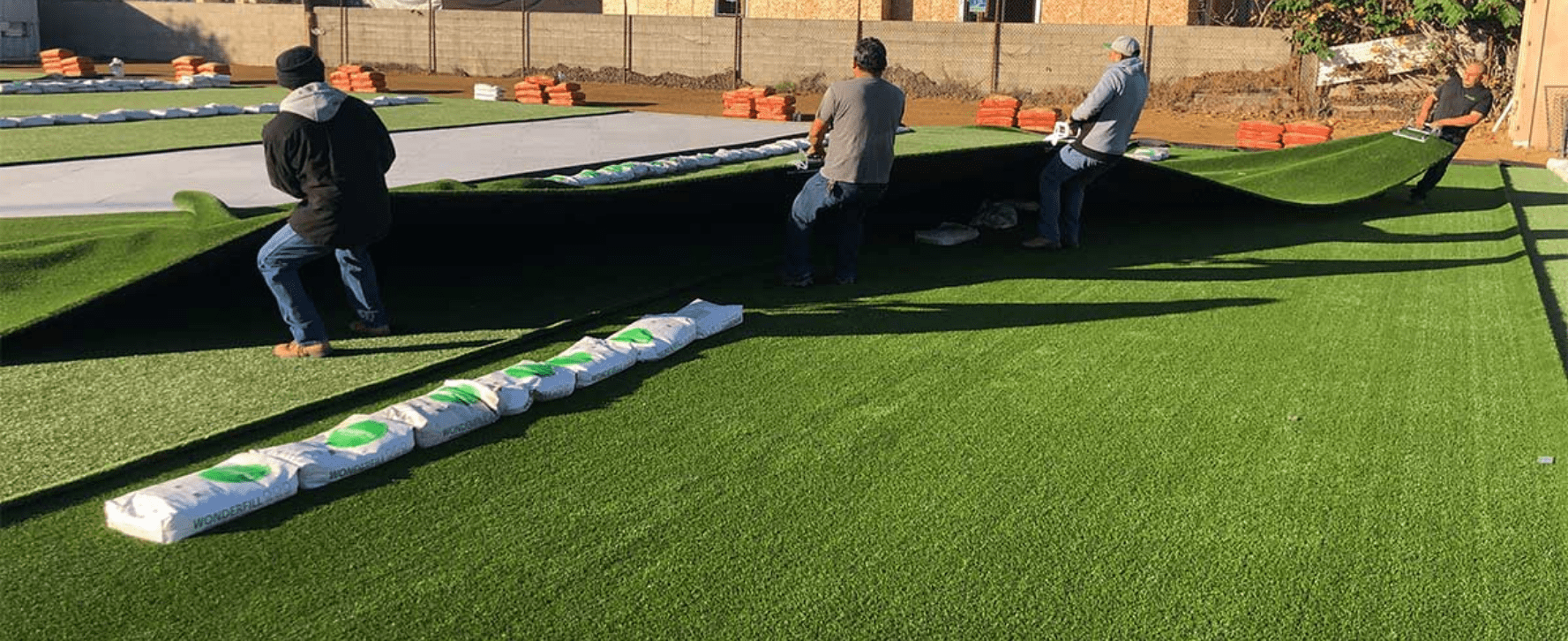
Before any aggregate base is placed, we install the drainage infrastructure appropriate for the site conditions and the expected waste loading. On standard clay-profile residential lots, this typically means a perforated collection channel at the lowest point of the installation area and additional aggregate depth in the high-use zones. On larger runs or properties with multiple dogs, we may install a more extensive collection system.

4

Base Preparation and Zeolite-Ready Depth

The aggregate base for a pet installation is prepared to a depth that accounts for both drainage performance and the future Zeolite infill depth. Zeolite infill performs best when it is not compacted below a certain depth — if the aggregate base is too shallow and the Zeolite sits directly on the aggregate surface without adequate sand depth beneath it, the performance deteriorates faster than it should. We build the base to the depth and compaction appropriate for the specified infill system.

5

Product Installation with Antimicrobial Specification

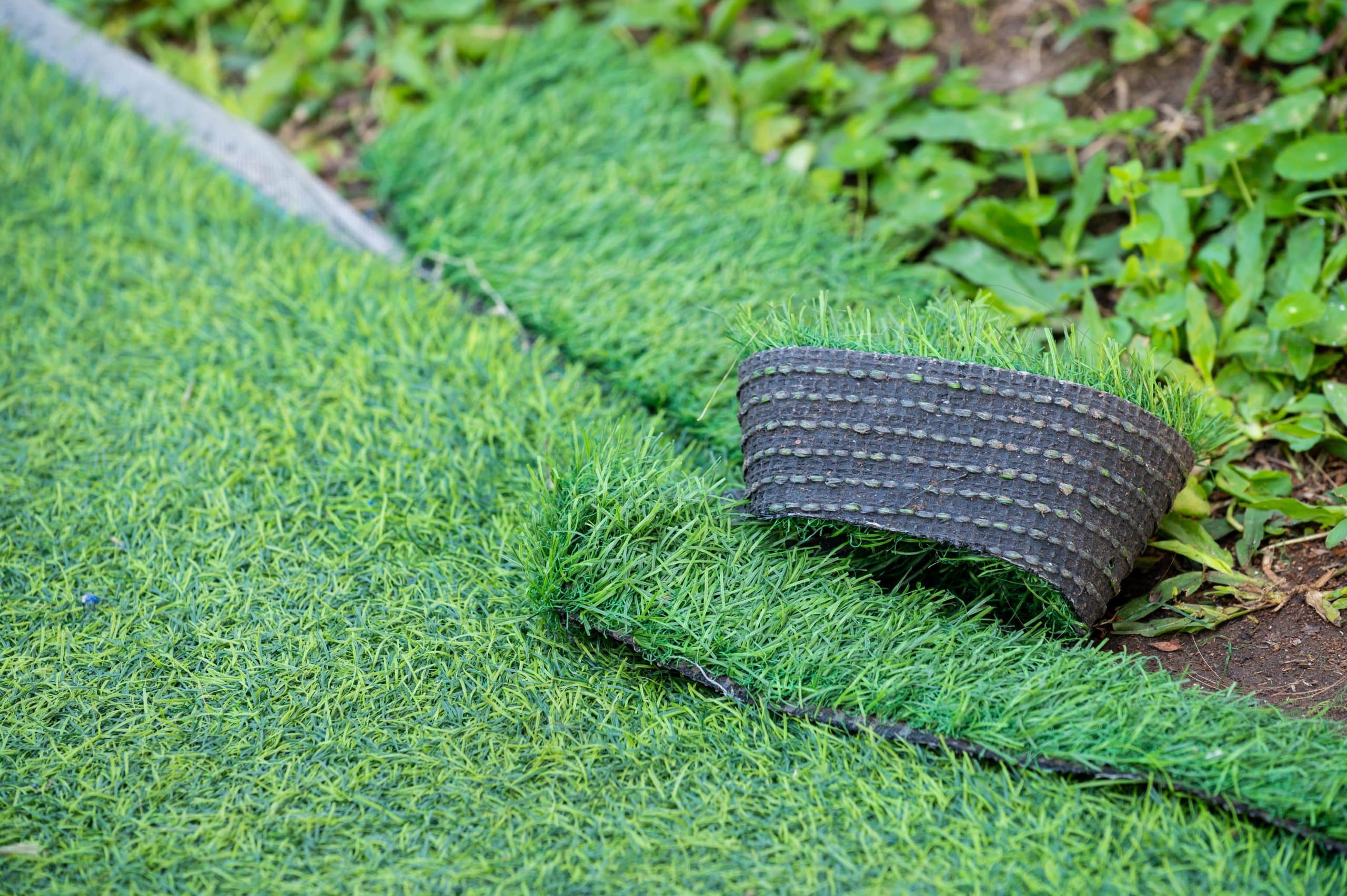
We install the selected pet-specific product — typically SYNLawn HD with integrated antimicrobial treatment in the fiber — with attention to the pile direction and seam placement that will affect the drainage performance. On run configurations where the dogs consistently move in a single direction, we orient the pile in the direction of drainage to facilitate surface-level liquid movement toward the collection system.

6

Zeolite Infill Application and Pet Owner Orientation

Zeolite infill is applied using calibrated equipment to achieve the specified depth, followed by brushing to work the material into the fiber. We provide a written maintenance guide specific to Zeolite-infill pet installations — including rinsing frequency, professional cleaning schedule recommendations, and the signs that Zeolite replenishment is needed — and discuss it with the homeowner at the completion walk.

Pet Turf Configurations We Install

Pet turf applications in the Cross Timbers corridor span a range from small residential runs on HOA-governed Flower Mound lots to large multi-dog exercise areas on Argyle and Copper Canyon acreage properties. Each configuration has specific requirements.

Residential Backyard Pet Area

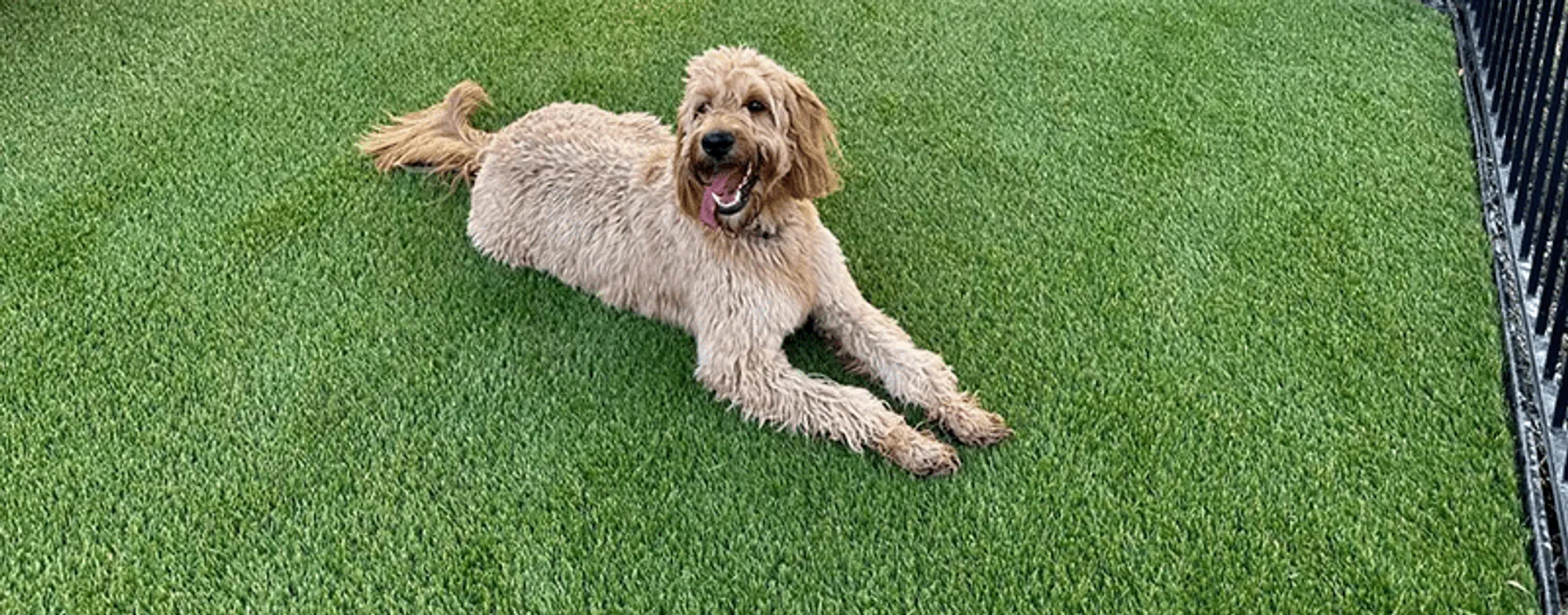
A contained area within an existing residential backyard, typically defined by fencing or hardscape, where one or two dogs are the primary users. This configuration benefits from Zeolite infill, a perforated collection channel at the lowest grade point, and the base depth appropriate for the subsoil drainage rate. HOA-governed properties in Flower Mound and Lewisville receive full ARB coordination as part of this service.

Best For: Residential estate properties with one or two dogs; HOA-governed backyard areas

Dedicated Dog Run

A purpose-built corridor configuration, typically six to twelve feet wide and variable length, designed for dog exercise and relief. Dog runs require more aggressive drainage infrastructure than open backyard areas because the use pattern is more concentrated. We install perforated collection channels along both long edges and specify drainage aggregate depth relative to the number of dogs and the subsoil drainage rate.

Best For: Single-purpose dog exercise corridors; multiple dogs; properties where the dogs are separated from the main lawn

Multi-Dog Estate Area

Larger installations on acreage properties — typically a quarter-acre or more — where three or more dogs use a contained outdoor area. These installations require drainage engineering at a scale comparable to a commercial kennel, including a collection basin or sump system rather than simple perforated channels. Copper Canyon and Argyle equestrian properties with multiple dogs frequently require this configuration.

Best For: Acreage properties with three or more dogs; large contained exercise areas; properties where dogs are outdoors for extended periods

Pool-Adjacent Pet Area

A pet turf area that shares a drainage context with a pool deck, requiring careful drainage integration to ensure pet waste does not migrate toward pool equipment or the pool surround. We design these installations so that the pet area drainage system is isolated from the pool deck drainage, which typically means a physical grade separation or a containment channel between the two surfaces.

Best For: Properties where the dog area is adjacent to or shares a fence line with the pool deck

Courtyard and Enclosed Space Pet Installation

Many Cross Timbers estate homes include enclosed courtyards, porte-cochère areas, or side yards that function as pet containment areas. These spaces often have limited natural drainage and require engineered subsurface systems rather than relying on grade-directed sheet flow. Robson Ranch and Timarron courtyard configurations frequently require this approach.

Best For: Enclosed courtyards, porte-cochère dog areas, side yards without natural drainage

Pet Turf Questions from Denton County Homeowners

We have Denton County clay soil. Will the pet area drain adequately?

Clay soil drainage is a primary specification driver for pet installations in our service area. We address it through deeper aggregate sections in high-use zones and perforated collection infrastructure that gathers liquid from the surface and routes it to a subsurface outlet rather than relying on the clay to absorb it. On properties where the clay layer is especially shallow or tight, we may recommend a sump and pump system. We assess the drainage rate during the site visit and specify the base preparation accordingly.

What is Zeolite infill and why do you prefer it to standard antimicrobial infill?

Zeolite is a naturally occurring crystalline mineral that captures ammonia molecules in its pore structure. Ammonia is the principal odor compound in dog urine, and the reason pet turf develops odor problems is that ammonia accumulates in the infill layer between rinsing events. Zeolite addresses this by binding the ammonia before it volatilizes into the air — a fundamentally different mechanism than an antimicrobial surface treatment, which slows bacterial growth but does not directly capture ammonia. On clay-profile properties where drainage is slower and the ammonia has more time to concentrate, Zeolite infill provides meaningfully better odor management.

Our property is in Robson Ranch and the HOA has specific standards. Can we have a pet turf area?

We have navigated the Robson Ranch ARB process multiple times for pet turf projects. The board typically requires that pet areas are not visible from the street, that the turf color is within the approved color range, and that a maintenance protocol is submitted with the application. We prepare the full submission package and manage the process on your behalf.

How often does the Zeolite infill need to be replenished?

Zeolite infill loses its ammonia-capture capacity over time as its pore structure saturates with ammonia and mineral deposits. In a typical single-dog residential installation with regular rinsing, Zeolite typically requires replenishment every two to three years. In a multi-dog installation or one where rinsing is less frequent, replenishment may be needed more frequently. Our maintenance program includes an annual Zeolite capacity check and replenishes as needed rather than on a fixed calendar.

We have a large dog that digs aggressively. Can you prevent that?

Persistent digging behavior is addressed through a combination of physical measures and an understanding of why the dog is digging. We install subsurface perimeter barriers that extend six inches below the installation's aggregate base, use concrete anchoring at specific edge points, and review the installation margins with the homeowner to eliminate any visual or smell triggers at the perimeter edges. For dogs that are motivated by the smell of the soil beneath the turf, we discuss odor-blocking treatments at the base membrane level that reduce the olfactory cue that motivates digging.

Design a Pet Area That Performs as Well as It Looks

Artificial Grass of Flower Mound serves pet-owning homeowners across Flower Mound, Argyle, Copper Canyon, Highland Village, and the broader Cross Timbers corridor. Every project begins with a site consultation that addresses your specific dogs, your subsoil conditions, and your design context.

Serving Nearby Cities

Flower MoundLewisvilleCoppellGrapevineKellerSouthlakeRoanokeArgyle