Why Commercial Properties in Our Service Area Require a Different Approach
Commercial synthetic turf installations in the Cross Timbers corridor encounter the same site challenges as residential estate installations — post oak root competition, Denton County clay drainage, HOA architectural review requirements — but at a scale where errors are more visible and more costly. A common area installation that fails because the base preparation did not address the clay subsoil will not merely disappoint one homeowner; it will generate community-wide correspondence and a remediation cost borne by the HOA budget.
HOA Common Area Standards Navigation
Master-planned communities in Denton County govern their common areas through the same architectural review structures that govern individual homeowner modifications. HOA boards in Flower Mound, Argyle, and Southlake maintain specific material standards for common areas, and the synthetic turf installed in those areas must meet or exceed the residential installation standard in the surrounding community. We work with HOA boards directly, present product samples and drainage specifications at board meetings when requested, and ensure the installation design reflects the community's standards before construction begins.
Equestrian Facility Ground Management
Commercial equestrian facilities — boarding facilities, training barns, and riding programs in Argyle, Copper Canyon, and the broader Denton County equestrian corridor — have high-traffic ground areas that present management challenges distinct from residential paddock applications. Arena approach paths, stable courtyard surfaces, and wash-rack surrounds experience concentrated equine and human traffic at a scale that requires commercial-grade product specifications and base preparation at depths and aggregate qualities appropriate for the traffic intensity.
Base Engineering at Commercial Scale
Commercial installations involve larger areas where drainage engineering must be addressed at a systems level rather than a spot-by-spot level. We design drainage infrastructure for commercial areas as a cohesive system — identifying the high points, the collection paths, and the outlet locations — rather than relying on random sheet flow. In Denton County clay profiles, this system-level drainage engineering is the difference between a commercial common area that performs correctly and one that creates standing moisture issues that generate maintenance complaints.
Phased Installation for Operational Continuity
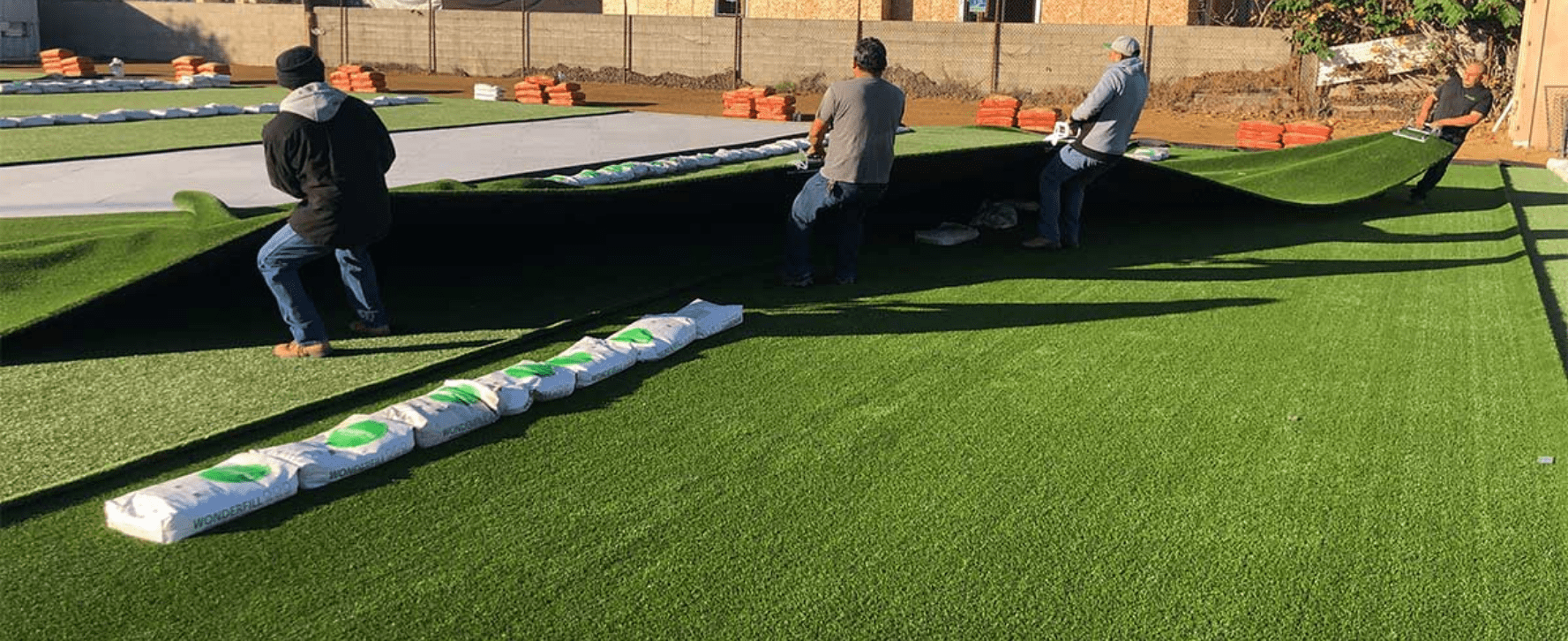
Commercial installations often need to proceed in phases to maintain usability of the area during construction. We develop phased installation plans that keep the most used sections operational while adjacent sections are being prepared. For equestrian facilities, this typically means working around daily turnout and feeding schedules. For residential common areas, it means completing installation in sections that allow residents to continue using parts of the common area.
Documented Commercial Maintenance for HOA Records
HOA boards require documentation of maintenance activities on common area assets. Our commercial maintenance program includes detailed service records for each visit — infill depths before and after, drainage performance observations, any repairs completed, and recommendations for future service. These records support the HOA's asset management function and provide a longitudinal performance record that is valuable for budget planning and for any future replacement assessment.