Artificial Grass Infill Refresh in Flower Mound, undefined

Zeolite Replenishment, Aggregate Refresh, and Performance Restoration Across the Cross Timbers Corridor

Artificial Grass Infill Refresh

Infill Is the Working Interior of Your Turf System

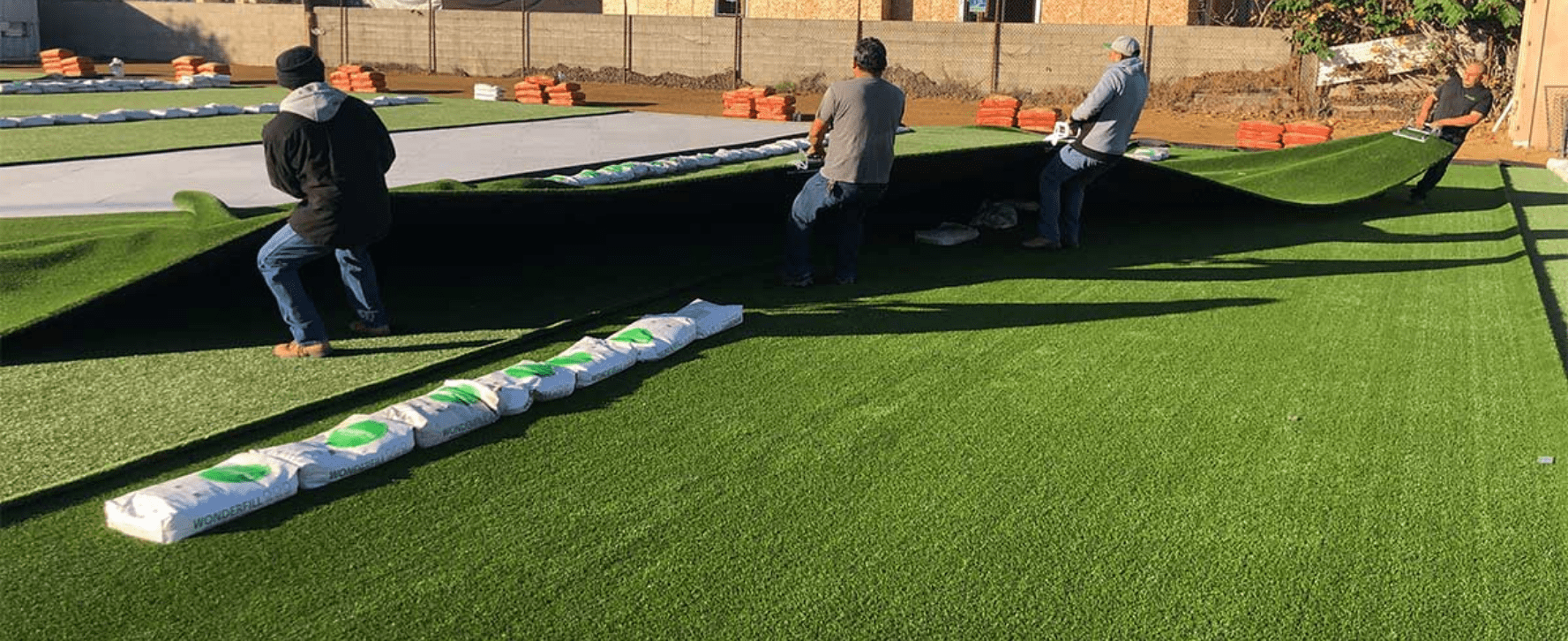
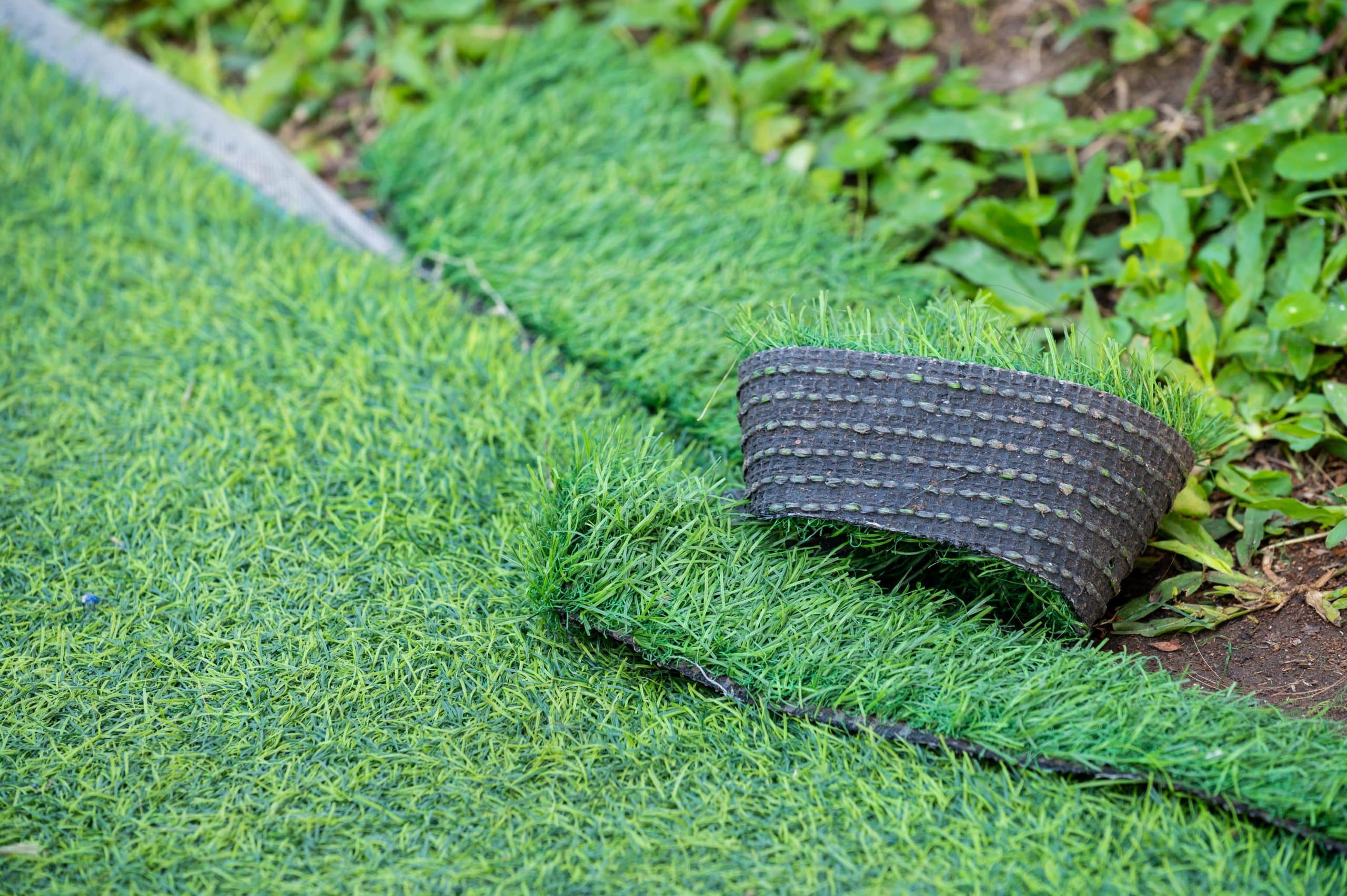
The infill in a synthetic turf installation is not inert fill — it is the working interior of the turf system, responsible for blade support, surface cushioning, drainage rate, odor management (where Zeolite is specified), and the overall performance characteristics that determine whether the installation feels and functions correctly underfoot. Infill deteriorates through three mechanisms: physical compaction from foot or hoof traffic, volume loss through drainage extraction over time, and — in the case of Zeolite — chemical saturation as the mineral's pore structure accumulates ammonia and mineral deposits. Artificial Grass of Flower Mound's infill refresh service addresses all three mechanisms. We do not simply add material on top of an existing infill layer; we assess the current infill profile, remove and dispose of degraded material where appropriate, and replenish with matched infill to the specified depth and distribution. On equestrian-area installations and pet-specific Zeolite systems, this service is as important to long-term performance as the original installation specification.

  • Infill depth mapping at multiple points across the installation
  • Zeolite capacity assessment and targeted replenishment for pet installations
  • Equestrian high-traffic zone infill reconstruction
  • Silica sand and hybrid infill replenishment for standard estate installations
  • Blade grooming post-application for uniform distribution
  • Written service report with infill quantities and depth measurements

Why Infill Refresh Is a Performance Service, Not Just Maintenance

Infill refresh is often described as maintenance, but on Cross Timbers estate and equestrian properties it is more accurately described as a performance service — one that directly affects how the installation drains, how it feels underfoot, and whether it continues to control odor at the level the homeowner expects.

Restored Drainage Performance on Clay-Profile Properties

On Denton County clay-profile soils, the permeability of the infill layer is a critical component of the overall drainage system — the turf backing drains water into the infill, and the infill must be sufficiently porous to transmit that water to the aggregate base below. As infill compacts over time, its permeability decreases and drainage slows. On clay-profile properties, where the subsoil drainage is already the limiting factor, compacted infill can create a perched-water condition that makes the installation feel damp after moderate rain. Infill refresh that removes compacted material and replaces it with fresh, porous infill at the correct depth restores the drainage rate to its original specification.

Zeolite Replenishment for Pet Odor Management

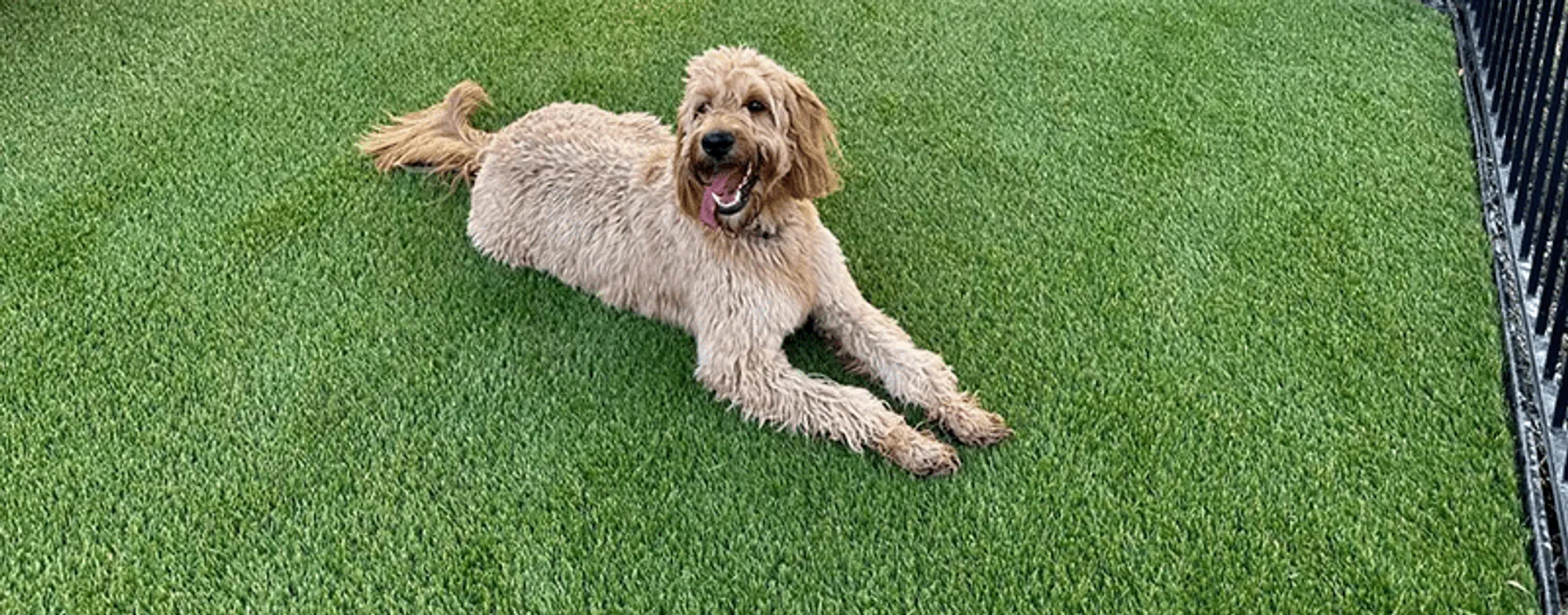
Zeolite infill's ammonia-capture capacity has a finite lifespan that depends on the volume of urine it receives and the frequency of professional cleaning visits that partially restore pore capacity. When the Zeolite infill reaches the end of its effective life, the odor management capability of the pet installation degrades noticeably — the surface begins to smell shortly after wetting rather than only when the infill has accumulated significant urine volume. Full Zeolite replenishment is a straightforward service: we remove the existing saturated Zeolite, clean the backing surface, and install fresh Zeolite at the specified depth. The result is a complete restoration of the odor management capability.

Equestrian High-Traffic Zone Reconstruction

In paddock surrounds and round-pen installations, the infill in the highest-traffic zones — the areas immediately adjacent to the gate and the water trough — experiences accelerated compaction and volume loss from the concentrated impact of horse hooves. Left unaddressed, the infill depth in these zones decreases to the point where the turf backing makes direct contact with the aggregate base, which increases wear on the backing and produces a harder, less forgiving surface underfoot. Targeted infill reconstruction in these zones — more frequent than the broader installation — extends the useful life of the equestrian installation significantly.

Putting Green Stimpmeter Restoration

On synthetic putting greens, infill density directly determines the stimpmeter reading — as infill settles and compacts over time, the surface speed typically increases (the surface reads faster). For homeowners who have calibrated their practice routine to a specific stimpmeter reading, drift in surface speed is a meaningful performance issue. Our annual putting green service includes stimpmeter testing and infill density adjustment to restore the specified surface speed, which maintains the practice utility of the installation.

Blade Profile Restoration for Matted Installations

Infill volume loss allows the blade fibers to flatten and compact under traffic — the mechanical support that keeps the blades upright comes from the infill depth, and when that depth decreases, the blades lie flat rather than standing. A matted turf surface with adequate cleaning and fresh infill at the correct depth will recover its blade profile through the power-brushing phase of the refresh service. This is not a permanent repair for infill that has been depleted below a recoverable threshold, but it is an effective restoration for installations that have experienced gradual infill loss.

How We Conduct Infill Refresh

Our infill refresh process begins with a depth-mapping assessment that identifies where infill loss has occurred and in what quantity. We do not apply a flat quantity of new infill across the entire installation — we apply targeted quantities to the zones that have experienced the most significant depletion.

1

Infill Depth Mapping

We take depth measurements at a grid of points across the installation, comparing current depths against the original installation specification recorded in our project documentation (or against the manufacturer's recommended infill depth where we are refreshing an installation we did not originally install). The depth map identifies zones of significant depletion and informs the targeted refresh approach.

2

Infill Type Verification

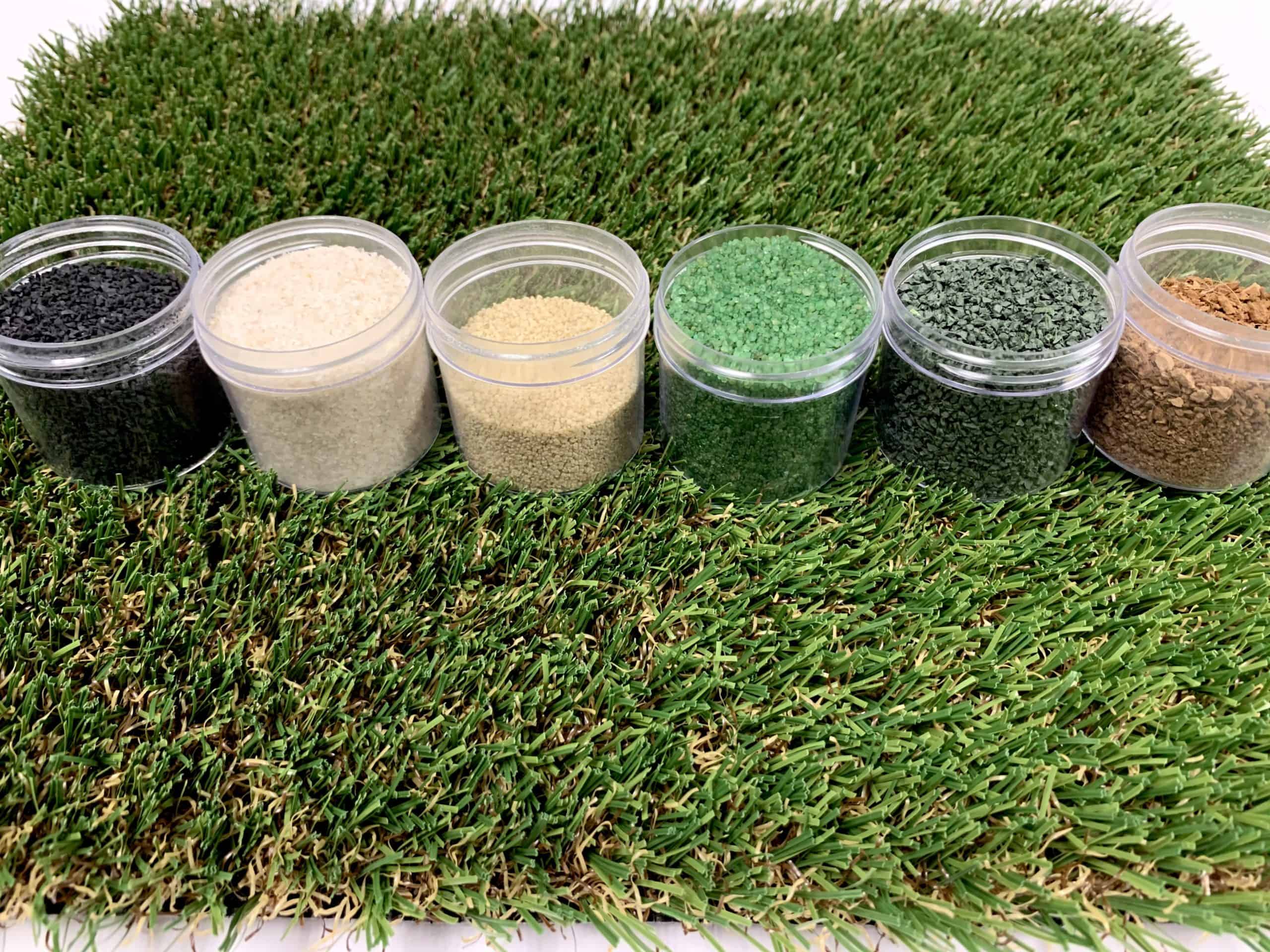
Before applying any fresh infill, we verify the infill type currently in the installation — silica sand, Zeolite, rubber, or hybrid. Applying the wrong infill type can create performance problems rather than resolving them. For installations we did not originally complete, we probe the infill and may take a small sample for analysis if the type is not immediately apparent. Fresh infill is matched to the existing specification unless the homeowner is requesting an infill type change, which we discuss explicitly.

3

Removal of Degraded Infill Where Applicable

In zones where the existing infill has compacted to the point where it cannot be restored by brushing — typically in equestrian high-traffic zones and in Zeolite pet installations that have reached capacity — we remove the degraded material before applying fresh infill. Attempting to refresh on top of compacted or saturated infill does not produce satisfactory results because the fresh material settles into the same compaction pattern as the material it is covering.

4

Fresh Infill Application

We apply fresh infill using calibrated spreader equipment to achieve consistent coverage at the depth determined by the depth-mapping assessment. In equestrian high-traffic zones, we apply at a slightly elevated depth to account for the accelerated compaction those areas will experience before the next service visit. For Zeolite pet installations, we verify the depth precisely — Zeolite's odor-capture performance is sensitive to depth, and under-application does not restore full capacity.

5

Power-Brushing and Distribution

After infill application, we power-brush the installation in multiple directions to work the fresh infill into the fiber structure and to achieve even distribution at the blade base level. This brushing also restores the blade profile in areas where matting had developed as a result of infill depletion. For putting green installations, the brushing is done with a lighter-weight grooming head appropriate for the fine-fiber putting turf rather than the standard landscape grooming head.

6

Performance Verification and Documentation

We test drainage performance after the infill refresh and, on putting green installations, take a stimpmeter reading to verify that the infill addition has achieved the target surface speed. We prepare a written service record that documents the infill depths before and after, the quantities applied by zone, and any observations about the installation's condition that are relevant to the next service interval. This record is provided to the homeowner and retained in our property file.

Infill Refresh Services by Installation Type

Our infill refresh services are differentiated by the installation type and infill specification, because the correct refresh approach for a Zeolite pet installation is different from the correct approach for a silica-sand equestrian installation or a putting green.

Silica Sand Refresh — Standard Estate Installations

The most common infill refresh for estate residential installations. Involves depth mapping, targeted fresh silica sand application to depleted zones, and power-brushing. Typically needed every two to four years on residential installations with moderate foot traffic and no equestrian or pet use. Can be combined with our standard maintenance service visit for efficiency.

Best For: Standard residential estate installations; HOA-governed community properties; Flower Mound, Southlake, and Coppell residential installations

Zeolite Replenishment — Pet Installations

Full or partial Zeolite replenishment for pet-specific installations where odor management capacity has degraded. Includes removal of saturated existing Zeolite, backing surface cleaning, and fresh Zeolite installation at the specified depth. Typically needed every two to three years for standard single-dog residential installations, more frequently for multi-dog installations or those with irregular professional cleaning. Argyle, Flower Mound, and Highland Village pet installation clients most commonly request this service.

Best For: Zeolite-infill pet installations; residential properties with active dog use; installations where pet odor has increased despite regular rinsing

Equestrian Zone Infill Reconstruction

Targeted infill reconstruction for the high-traffic zones in paddock surrounds, round-pen perimeters, and barn-aisle runners. Addresses the accelerated compaction and volume loss in gate-adjacent and water-trough zones. Typically involves full removal of compacted material in the target zones and installation of fresh material at elevated depth. Scheduled every twelve to eighteen months for active horse properties in Argyle, Copper Canyon, and Roanoke.

Best For: Active horse-property equestrian applications; paddock surrounds with daily use; gate-adjacent and water-trough zones with concentrated hoof traffic

Putting Green Stimpmeter Calibration

An infill service focused specifically on restoring the stimpmeter reading to the specified target on a home putting green. Involves infill density assessment, targeted removal or addition of fine-sand infill to achieve the target surface speed, and stimpmeter verification after the service. Typically an annual service for homeowners who actively use and track their green's performance.

Best For: Home putting green installations where surface speed has drifted from the specified target; homeowners who track their putting performance and have noticed inconsistency

Full Infill System Replacement

For installations where the entire infill system has degraded beyond partial refresh — compacted sand that cannot be recovered by surface application, or Zeolite that has been saturated and not addressed for multiple years — a full infill removal and replacement may be the correct approach. This is a more significant service that involves removal of the existing blade profile, infill extraction, cleaning, fresh infill at full depth, and complete grooming restoration. We recommend this approach when the depth-mapping assessment indicates that targeted refresh would produce inconsistent results.

Best For: Installations with extensive compaction or saturation throughout; catch-up service for properties with years of deferred infill maintenance; installations being brought from another contractor's specifications to current performance standards

Infill Questions from Estate and Equestrian Homeowners

How do we know when the Zeolite needs to be replaced rather than refreshed?

The clearest indicator is persistent odor shortly after the pet area is wetted — if the surface smells within minutes of a rain event or a hose rinse, the Zeolite's ammonia-capture capacity is exhausted. A secondary indicator is the appearance of ammonia discoloration or residue on the blade surface in the highest-use zones. Our quarterly maintenance visits include a Zeolite capacity check that provides earlier warning — we can identify degraded capacity before the homeowner notices the odor problem.

Our paddock surround was installed two years ago and the infill in the gate area looks compacted. Is that normal?

Yes, and it is the expected outcome of horse traffic in the highest-use zone. The area immediately adjacent to the paddock gate receives concentrated hoof impact as horses stand and wait, and that impact compacts the infill at a rate that the rest of the paddock does not experience. For active paddocks, we recommend an inspection of the gate-adjacent zone at eighteen months and a targeted infill reconstruction when the depth has decreased to the point where the backing contact with the aggregate is becoming apparent. This targeted service is significantly less costly than a full installation replacement.

My putting green feels slower than it did when it was installed. Can infill fix that?

Likely yes. Putting green surfaces typically slow over time as the fine infill compacts and the effective infill depth increases — more infill means more resistance to ball roll, which translates to a slower stimpmeter reading. The repair is infill extraction in the zones where compaction has occurred, followed by fresh infill application to the target density. We test with a stimpmeter after the service and adjust until the surface is within the specified range. This service is typically completed in a single visit.

We are not sure what type of infill is in our installation (it was done by another contractor). How do you determine that?

We probe the infill layer during the assessment and, if the type is not immediately apparent from visual inspection, take a small sample. Silica sand, Zeolite, crumb rubber, and cork infill have distinct visual and tactile characteristics that allow reliable identification. We do not apply fresh infill of a different type to an existing installation without confirming the existing type, because mixing incompatible infill types can affect drainage and surface performance.

Can infill refresh address areas where the turf is matted and flat?

Yes, if the matting is the result of infill depletion rather than fiber damage. When infill depth decreases, the blade fibers lose their mechanical support and lie flat under traffic. Fresh infill at the correct depth, combined with power-brushing, restores the blade profile in most cases. If the fiber tips themselves have been damaged — from UV degradation, hail impact, or abrasion — infill refresh will improve the surface but will not fully restore the original appearance. Our assessment distinguishes between these two conditions so the homeowner understands what the refresh will achieve.

Restore Your Turf's Performance with Professional Infill Service

Artificial Grass of Flower Mound provides infill assessment and refresh services for estate, equestrian, pet, and putting green installations across Flower Mound, Argyle, Bartonville, Copper Canyon, Highland Village, and the surrounding Cross Timbers corridor.

Serving Nearby Cities

Flower MoundLewisvilleCoppellGrapevineKellerSouthlakeRoanokeArgyle